Lime Wash vs. Traditional Paint: What’s the Difference?

September 22, 2026
Minimalist wall with light gray top border, used as a neutral backdrop for painting and decorative finish services.

Choosing a wall finish involves more than finding the right color. The material, texture, application method, and way a finish ages can all influence the character of a room. Two popular options—lime wash and traditional interior paint—create noticeably different results.

While conventional paint typically provides smooth, consistent color, lime wash creates subtle variation, movement, and depth. Understanding these differences can help homeowners choose a finish that complements their home's architecture, lighting, and overall style.


What Is Lime Wash?


Lime wash is a mineral-based finish traditionally made from slaked lime, water, and pigments. Instead of creating the same type of surface film associated with conventional paint, traditional lime wash interacts with compatible porous surfaces.


The result is a soft, highly matte appearance with natural variations in tone. Brush strokes and overlapping layers can produce areas that appear slightly lighter or darker, giving the walls visual movement. As natural and artificial light changes throughout the day, these variations can become more noticeable.


How Does Traditional Paint Differ?


Traditional interior paint is generally designed to provide consistent coverage and predictable color. Homeowners can choose from finishes ranging from flat and matte to eggshell, satin, and higher-sheen options.


The finished appearance is usually more uniform than lime wash. Instead of emphasizing variation across the wall, traditional paint creates a consistent backdrop for furniture, artwork, architectural details, and other design elements.


This versatility allows conventional paint to complement everything from minimalist interiors to colorful rooms where precise, consistent color is an important part of the design.


Texture and Visual Movement


One of the biggest differences between lime wash and traditional paint is the amount of visual movement across the wall.


Lime wash embraces variation. Its layered application creates soft transitions in color and a gently textured appearance. Rather than looking perfectly flat, the surface has depth that can become more noticeable as light moves through the room.


Traditional paint generally minimizes this variation. Proper preparation and application produce a smoother, more consistent finish from one section of the wall to another.


The right choice depends on whether you prefer organic character or a more controlled, uniform appearance.


Application and Suitable Surfaces


Traditional lime wash naturally performs well on porous mineral surfaces such as lime plaster, brick, stone, and certain masonry. Modern products and preparation techniques may also make it possible to create a lime wash finish on other interior surfaces.


Because lime wash products vary, proper surface preparation is important. Primers or other preparation methods may be necessary depending on the existing wall material and specific product being used.


Traditional interior paint works across a broad range of household surfaces when properly prepared, including drywall, plaster, trim, and doors.


Application methods also differ. Traditional paint is commonly rolled or brushed to achieve even coverage. Lime wash is generally applied by hand in multiple layers using brush techniques that intentionally create movement and variation.


Durability, Aging, and Maintenance


Lime wash develops character as it ages. Subtle changes and patina can become part of its appearance rather than something that needs to be concealed. This quality can work particularly well in interiors where an organic, historic, or old-world feeling is part of the design.


Additionally, traditional lime wash is naturally alkaline, giving it anti-fungal and mold-resistant properties that can help discourage mold and mildew growth on treated surfaces. However, these properties do not eliminate the need for proper moisture control or ventilation.


Maintenance requirements vary depending on the product and location. High-traffic or moisture-prone areas may require additional consideration when choosing a lime wash finish.


What Styles Work With Lime Wash?


Although lime wash is often associated with historic European, Mediterranean, and rustic interiors, it can work beautifully in contemporary homes as well.


Its subtle texture can soften modern rooms, bring warmth to minimalist spaces, and create contrast alongside streamlined furniture and clean architectural details.


Lime wash can be particularly effective in living rooms, bedrooms, dining rooms, and entryways where the walls are intended to contribute to the overall atmosphere rather than simply provide background color.


When Does Traditional Paint Make Sense?


Traditional paint can be a strong choice when the goal is crisp, consistent color or a straightforward finish that can handle routine upkeep.


It also gives homeowners flexibility when selecting specific colors and sheens or creating clean contrast between walls, ceilings, trim, and architectural features. In spaces where uniformity is central to the design, conventional paint can provide the desired appearance.


Traditional painting does not have to feel basic. Careful preparation, thoughtful color selection, and precise application can transform a room while maintaining a clean, polished look.


Choosing the Right Finish for Your Home


Ultimately, choosing between lime wash and traditional paint comes down to how you want a room to look and feel.

Lime wash offers warmth, movement, softness, and natural variation, while traditional paint delivers consistent color and a more uniform appearance. Existing surfaces, lighting, furnishings, room style, and maintenance preferences can all influence the decision.


Goldstein & Horowitz specializes in lime wash, interior painting, Venetian plaster, and custom decorative finishes throughout Westchester County, Rockland County, and Fairfield County. With a background in scenic artistry and fine finishing, the team can create wall treatments that complement the architecture and individual character of each home.
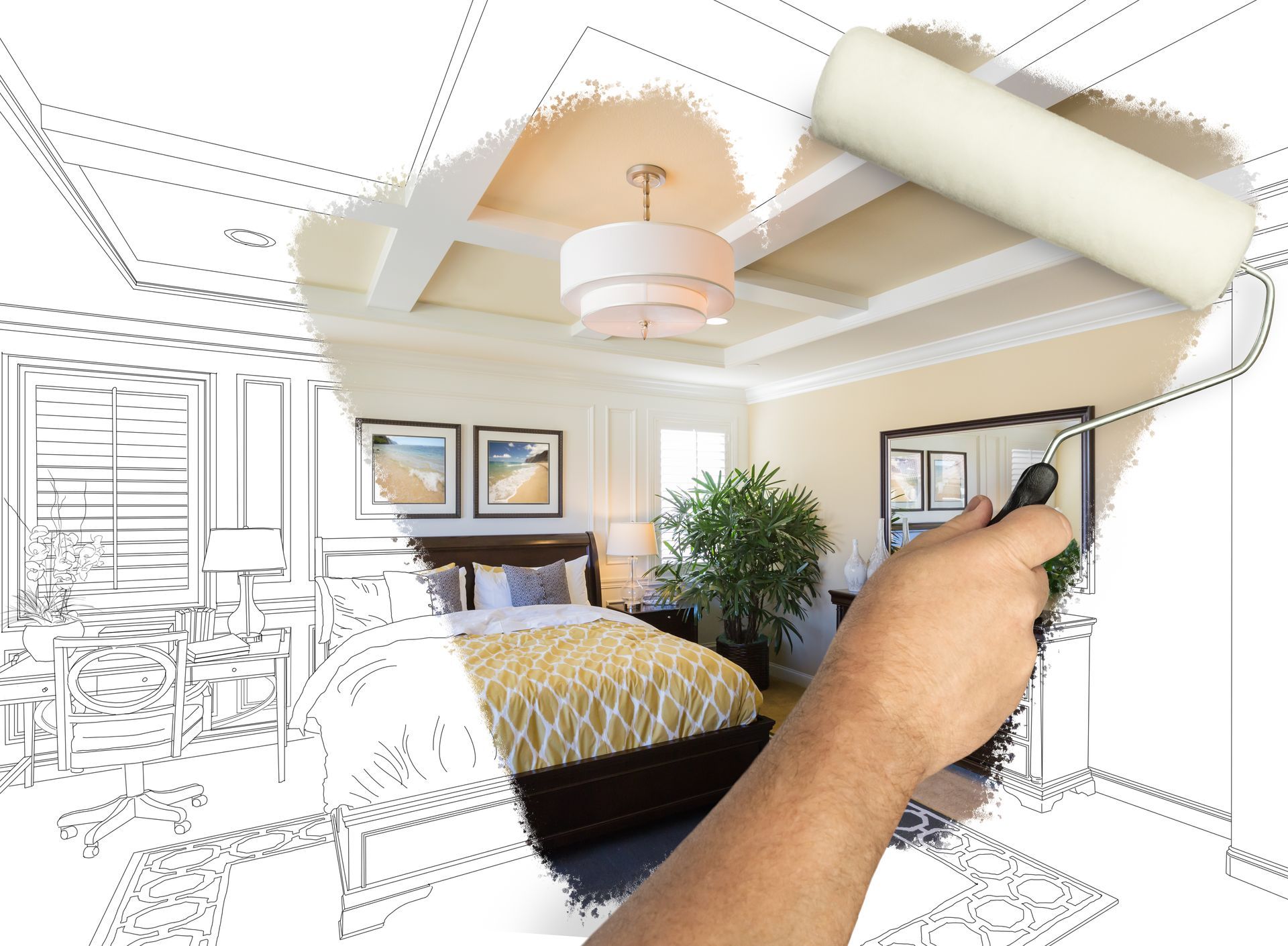
before and after reveal of a man painting a room
September 22, 2025
Refresh your space with Goldstein & Horowitz—expert interior painting for lasting quality, efficiency, and peace of mind. Schedule your consult today!
August 20, 2025
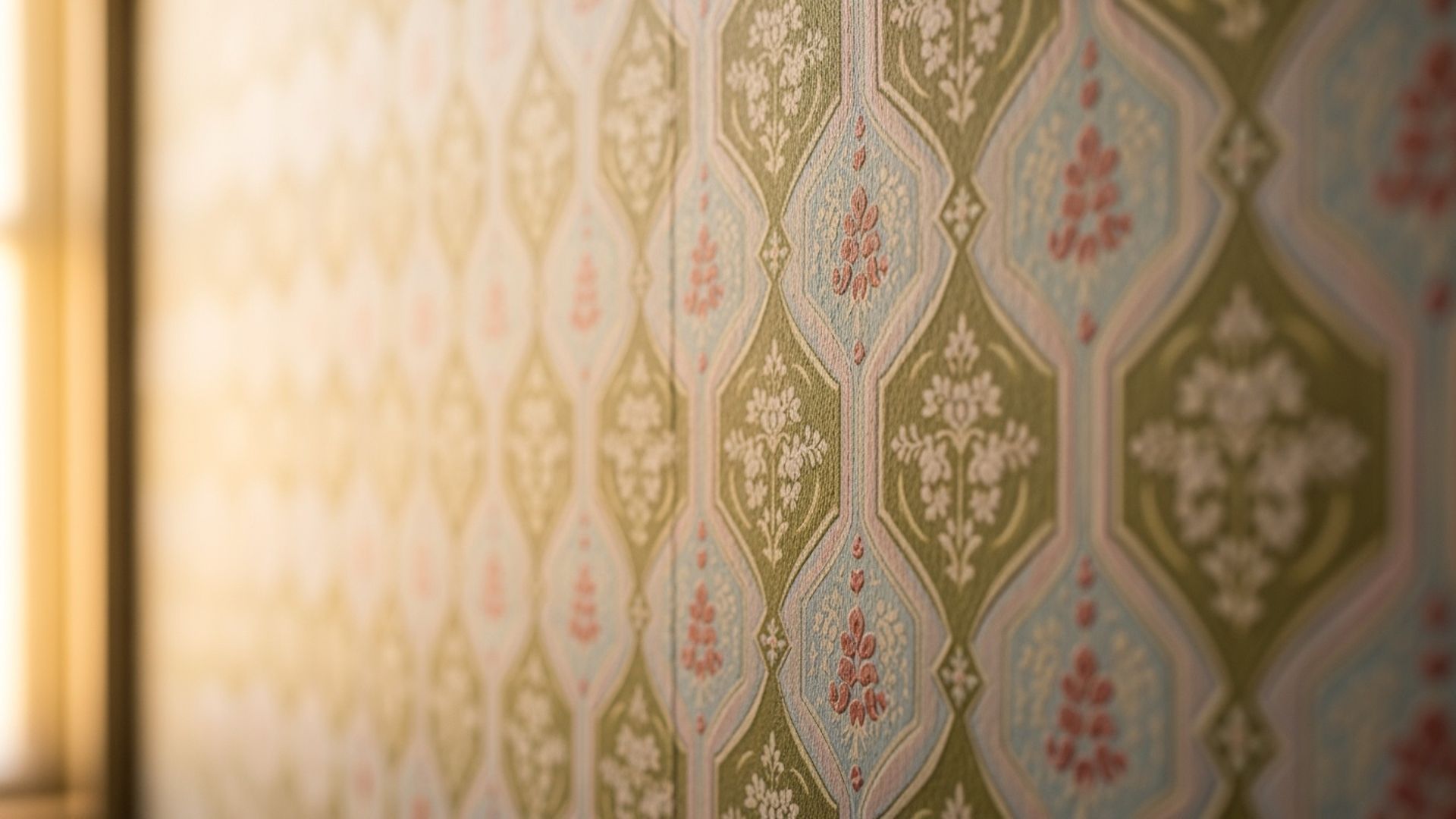
Wallpaper has experienced a remarkable resurgence in recent years, breathing new life into spaces once limited by paint alone. This transformation is more than just a nostalgic nod to bygone eras—today’s wallpaper stands as a compelling choice for those seeking fresh, artistic ways to personalize their homes. At Goldstein & Horowitz , we appreciate this move toward making spaces feel more personal, and we’re delighted to see how wallpaper can spark creativity across different interior styles. Embracing wallpaper allows you to add dimension, character, and flair, forging a one-of-a-kind environment that reflects your unique aesthetic preferences.  Embracing Wallpaper in Contemporary Spaces One reason wallpaper has reemerged as a top choice in interior design is its ability to offer immediate visual impact. A fresh coat of paint can certainly refresh a room, but wallpaper with intriguing patterns or textured surfaces can completely redefine it. A lush botanical motif can invite a soothing feel, while geometric patterns offer a modern or retro vibe, depending on your color palette. This power to transform rooms has contributed to a consistent rise in the popularity of wallpaper. In fact, demand for wallcoverings , including wallpaper, continues to grow steadily, reflecting homeowners’ desire for personalization and innovative design solutions. Versatility is another key factor fueling today’s wallpaper renaissance. Gone are the restrictions of older materials that proved tricky to install and even tougher to remove. Modern wallpapers are crafted using advanced technologies, and many feature peel-and-stick capabilities that simplify installation and significantly reduce the effort needed for renovation or updates. This ease of changing designs has encouraged more homeowners to experiment with striking looks, knowing that they are not permanently committing to the same pattern. Elevating Feature Walls and Surprising Spots Feature walls remain one of the most popular ways to incorporate wallpaper. By selecting a standout design for a single wall in the bedroom, living room, or entryway, you can create a focal point that visually anchors the entire space. This approach is especially effective in rooms that benefit from added depth. From large-scale murals depicting dreamy landscapes to bold abstract prints, these accent walls not only reflect the homeowner’s personality but also serve as a conversation piece when entertaining guests. Yet, feature walls are far from the only option. Nothing intrigues guests quite like an intricately wallpapered ceiling. By applying a subtle texture or patterned design overhead, you can introduce an element of surprise and visual excitement. Ceilings, once neglected in favor of walls, have evolved into blank canvases that lend themselves to creativity. Light fixtures and ceiling moldings can pop against a patterned wallpaper, drawing eyes upward and making rooms feel more expansive. Selecting Patterns, Textures, and Colors In a market where there is no shortage of designs, choosing wallpaper that harmonizes with your home’s décor may feel overwhelming. Begin by considering the atmosphere you wish to create. Warm colors like gold, burgundy, and rich browns add coziness, while cooler shades such as blues and grays tend to soothe and relax. Neutral tones like creams, tans, and soft whites can bridge contemporary and classic styles, allowing for greater flexibility when it comes to updating furniture or accent pieces later on. Patterns such as herringbone, geometric shapes, and botanical prints can set the tone of a room, infusing it with modern edge or natural tranquility. Choosing the right materials can also enhance the longevity and maintenance of your wallpaper. Vinyl wallpaper tends to be durable and easy to clean, which is ideal for high-traffic areas like hallways and family rooms. Porous wallpaper like grasscloth can impart an organic feel, but it might demand more meticulous upkeep. Additionally, technological advancements have led to the creation of wallpapers featuring modern ink finishes that are resistant to fading, making them a great solution for sunlight-exposed rooms. To complement these carefully selected designs, professional guidance can be invaluable. At Goldstein & Horowitz, we focus on understanding each client’s unique vision, proposing wallpapers that resonate with both functional and aesthetic needs. Whether you’re looking to upgrade a single room or reimagine your entire home, we can help you find the perfect match in terms of design, texture, and color scheme. Showcasing Your Individuality Today’s homeowners aren’t simply seeking beauty—they are searching for meaningful ways to convey their personal styles. By integrating customized wallpaper, each space can reflect the tastes, interests, and experiences of the occupant. Whether you opt for a graphic mural highlighting cityscapes or prefer something subtler like a monochromatic pattern, your wallpaper can tell a story about who you are. Some people are even commissioning custom-designed wallpaper that features family photographs, artwork, or personal monograms, allowing for a deeply personal touch in different rooms. Rather than contemplating how your walls should blend in, consider how they can stand out. If you love floral designs, a cascading pattern of roses could harvest a dreamy vibe. For a more forward-looking design scheme, minimalist black-and-white lines or geometric shapes can deliver a chic contemporary appeal. Homeowners continue to embrace more adventurous choices , recognizing that a well-chosen wallpaper can deliver an instant style statement. In viewing wallpaper as a subjective form of art, you can ultimately tailor designs that resonate with your personality while still blending seamlessly with the rest of your home’s décor. Making a Statement That Lasts As wallpaper becomes easier to install and remove, it no longer feels like an overwhelming or lifelong commitment. Indeed, it has evolved into a versatile design solution that caters to modern lifestyles. When you’re ready for something new, peel-and-stick varieties make changeovers a breeze, repositioning wallpaper as a flexible outlet for self-expression. However, despite wallpaper’s enhanced convenience, it’s still impactful enough to leave a lasting impression on visitors and potential homebuyers alike, should you choose to sell in the future. With the wide range of style and material options, it is wise to verify the source of any products or statistics you encounter. Make sure you are investing in wallpaper brands known for quality, giving you peace of mind about their longevity and eco-friendly credentials. Official resources, like The Wallcoverings Association , offer valuable information on product standards and best practices, presenting further insights into the evolving world of wallpaper. Ultimately, wallpaper’s revival reflects a blend of nostalgia and innovation, bridging what we love about classic styles with the fresh sensibilities of contemporary design. Whether you envision bold, dramatic patterns or soothing, textured neutrals, the power of wallpaper lies in its capacity to capture attention while offering distinctive customization options. At Goldstein & Horowitz, we believe in celebrating uniqueness and empowering our clients to realize their interior design dreams. Contact us or visit our website to discover how wallpaper can transform your space, infusing artistry, modern flair, and personality into every corner of your home.
July 20, 2025
The vibrant communities of Westchester, Rockland, and Fairfield counties are renowned for their scenic beauty, historical charm, and distinct sense of style. At Goldstein & Horowitz, we have witnessed firsthand how local homeowners use paint to express the unique flavors of each neighborhood, transforming houses into homes that are both personal and reflective of current trends. The color palette of these areas is shaped by a blend of tradition, innovation, and the evolving preferences of discerning residents. Let’s explore the shades taking center stage across these tri-county gems. Neighborhood Influences on Color Choices The architecture and landscapes of Westchester, Rockland, and Fairfield provide a rich canvas for color inspiration. Historic colonials in Rye, contemporary farmhouses in Chappaqua, and waterfront estates in Westport all call for palettes that harmonize with their surroundings. Homeowners are increasingly looking to neighborhood cues and local history when choosing colors, resulting in a curated mix of classic and modern hues. Regional influences are more prominent than ever, with residents seeking to balance timeless elegance and fresh appeal. Westchester’s Embrace of Sophisticated Neutrals Westchester County has long been a trendsetter for home design, and its color choices reflect a desire for sophistication and versatility. Soft grays, creamy whites, earthy taupes, and pastel blues are timeless and trendy. These colors create a serene backdrop that pairs beautifully with both traditional woodwork and sleek, modern accents. The trend extends beyond interiors. Home exteriors in Scarsdale and Larchmont are being refreshed with subtle, warm grays that complement lush landscaping and stone facades. This move toward understated elegance shows that homes painted in these shades tend to sell faster and command higher prices — a testament to their broad appeal. Rockland’s Bold Accents and Historic Charm Rockland County’s rich tapestry of Victorian homes and mid-century gems sets the stage for a more adventurous approach to color. While neutrals remain a staple, there’s a growing appetite for bold accents: deep navy doors, forest green shutters, and even statement walls in rich, saturated hues like ochre and raspberry. Vibrant front doors serve as focal points, welcoming guests and adding personality without overwhelming the overall aesthetic. Local events, such as the Nyack Art Walk , have also inspired homeowners to incorporate creative, expressive colors in their living spaces. Fairfield’s Coastal Inspiration Fairfield County’s proximity to the Long Island Sound heavily influences its color palette. Soft blues, gentle sea greens, and crisp whites are perennial favorites, evoking the tranquility of the coast. Towns like Greenwich and Darien showcase homes with exteriors in weathered grays and interiors awash in airy, ocean-inspired shades. These colors reflect the local landscape and promote a sense of calm and relaxation — qualities highly prized in today’s fast-paced world. Homes featuring cool blue bathrooms and light blue bedrooms tend to attract higher offers , underscoring the enduring popularity of these hues. For homeowners looking to enhance curb appeal or refresh their interiors, Goldstein & Horowitz offers a free consultation to help achieve the perfect coastal look. The Impact of Local Events and Real Estate Trends It’s not just personal taste that drives color decisions — local events and the real estate market play a critical role. Annual home tours, community festivals, and open house events provide a glimpse into the latest trends while encouraging homeowners to experiment with new shades. As the demand for “move-in ready” homes increases, sellers are turning to fresh paint in contemporary hues to make listings stand out. According to Angi, freshly painted homes in trending colors can see a return on investment of up to 107% . This makes staying ahead of color trends not just an aesthetic choice, but a financially savvy one. A Curated Palette What truly sets Westchester, Rockland, and Fairfield apart is the thoughtful curation of color. Rather than following national trends blindly, residents here blend influences from architecture, nature, and community spirit to create palettes that feel both current and deeply personal. Whether it’s the subtle sophistication of Westchester’s neutrals, Rockland’s bold accents, or Fairfield’s breezy blues, local color trends are a testament to the region’s creativity and character. At Goldstein & Horowitz, we’re dedicated to helping homeowners in these counties discover shades that enhance their property’s value and brighten every day. If you’re seeking tailored advice or want to explore the latest color samples, schedule a consultation with our expert team. Let’s transform your space with colors that reflect the unmistakable charm of our community.
Show More